Naturopathic doctor vs. Medical doctor- What’s the difference?
Introduction to Naturopathic Medicine
Our team often gets asked, “What is a naturopathic doctor, and how do they differ from other types of doctors?” In this post, we’ll aim to clarify these distinctions by exploring the definition of a naturopathic doctor (ND) and comparing them with medical doctors (MD), any other types of healthcare professionals. This should help you have a deeper understanding of naturopathic medicine and its unique approach to healthcare.
Educational Pathways for Naturopathic Doctors
Naturopathic doctors (NDs) undergo rigorous educational training, similar in structure to that of medical doctors (MDs) and doctors of osteopathy (DOs). A naturopathic doctor starts with an undergraduate degree, then completes a four-year accredited naturopathic medical program. This training covers basic, medical, and clinical sciences, diagnostics, naturopathic principles and therapies, and extensive supervised clinical experience. Graduates earn the title “N.D.” or Doctor of Naturopathic Medicine. Source: CAND
This educational foundation equips NDs to address a wide range of health issues, emphasizing prevention and natural therapies.
Core Philosophies and Practices
Naturopathic medicine is grounded in a comprehensive educational framework that encompasses both conventional and alternative medical practices. Naturopathic doctors (NDs) receive training similar to that of conventional medical schools, covering subjects such as pharmaceuticals, physical medicine, and minor surgical procedures like suturing. This foundational knowledge is complemented by extensive studies in biosciences and biochemistry.
In addition to these conventional subjects, naturopathic education places a strong emphasis on natural remedies and holistic treatment approaches. NDs are trained in herbal medicine, homeopathy, and nutrition, with a particular focus on nutritional medicine. This aspect of their education is often highlighted as a significant difference from conventional medical training, where nutrition may not be as extensively covered.
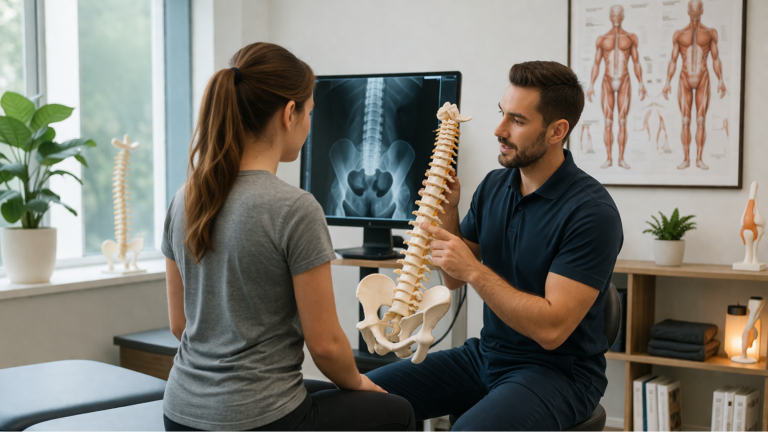
Physical medicine is another key component of naturopathic practice, incorporating techniques similar to those used in chiropractic care, such as adjustments and other forms of physical therapy. This holistic approach aims to treat the person as a whole, addressing the root cause of conditions rather than just the symptoms.
Naturopathic medicine’s integration of diverse medical practices reflects its core philosophy of holistic and individualized patient care. This approach not only broadens the scope of treatment options but also aligns with the growing trend towards more integrative healthcare solutions.
Regulation
Much like other healthcare professions, Naturopathic Doctors are regulated. In Ontario, the profession is overseen by the College of Naturopaths of Ontario (CONO). Additionally, the Ontario Association of Naturopathic Doctors (OAND) serves as the professional association for Naturopathic Doctors in the province.
ND vs. MD- Choosing the Right Doctor for You
Choosing the right doctor is a crucial step in your healthcare journey. It’s important to find a doctor whose philosophy aligns with your personal health goals. Naturopathic doctors focus on treating the root cause of conditions, emphasizing holistic and safer treatment options before considering pharmaceuticals or surgery. However, many naturopathic doctors, like some medical doctors, also recognize the appropriate use of pharmaceuticals when necessary.
The key is to find a doctor who resonates with your needs and preferences. There is no “bad” type of medicine; the focus should be on finding a practitioner who is committed to helping people and aligns with your health philosophy.
The selection of a physician should ultimately depend on their area of expertise, ensuring they align well with your specific needs. If you have any questions about whether a Naturopathic Doctor is right for you, please reach out to us at (905)251-0162.