Why Should You Drink Water After A Massage
Table of Contents:
- What’s the Science Behind it
- How Massage Moves Fluids Through Your Body
- Keeping Your Heart and Blood Pressure Steady
- Helping Your Body’s Waste-Disposal System
- Helping Your Kidneys Handle the Cleanup
- Keeping Your Connective Tissue Fluid and Flexible
- Reducing Soreness and Speeding Up Recovery
- Matching Your Water Intake to Your Massage Type
- Frequently Asked Questions
| Summary: Massage helps relax muscles, improve circulation, and move fluids through the body.Drinking water after a massage supports essential body functions like temperature regulation and waste removal. Massage does not “flush toxins,” but it does shift fluids within muscles and connective tissues. Hydration helps the lymphatic system move waste toward the kidneys for natural elimination. Proper water intake helps stabilize blood pressure after a deep or full-body massage. Well-hydrated muscles and fascia stay flexible, reducing stiffness and post-massage soreness. Drinking water after a massage can aid recovery and lower the risk of headaches or fatigue. |
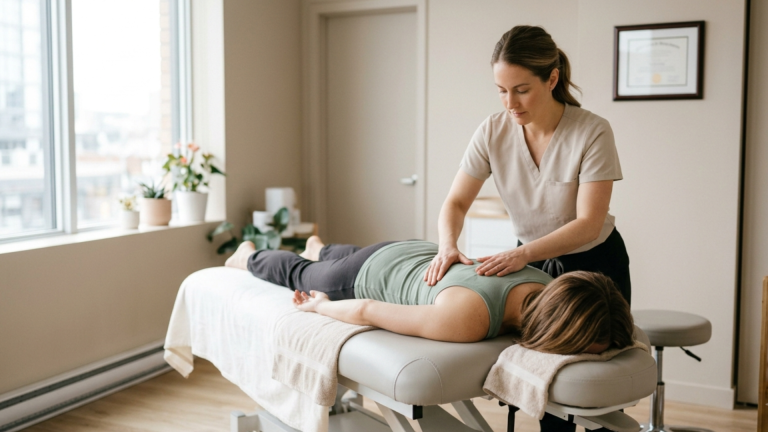
From gentle relaxation techniques to deep tissue massage and lymphatic drainage, therapists use different types of massage for physical and mental health benefits, ranging from simple relaxation to help move fluid through the body.
Staying hydrated is essential as we need water for nearly every bodily function. Drinking water helps:
- Regulate temperature
- Transport nutrients and energy
- Remove waste
- Lubricate joints
- Digestion
- Organs function
- Skin health
- Improve physical performance
But why drink water after a massage?
What’s the Science Behind it
Water has always been seen as a primary medium for thermal transfer and purification. In modern times, the focus has shifted to the physiological basis of hydration, that is, maintaining the body’s fluid balance. Approximately 60% of total body weight is water. According to the traditional explanations by massage therapists, massage “squeezes out toxins.”
Before getting back to why drink water after a massage, let’s see what these ‘toxins’ are.
| Toxin | Source |
| Metabolic waste | Lactic acid and waste produced during muscle activity |
| Excess Fluid | Extra fluid trapped in tissues causing swelling |
| Cellular byproducts | Urea, creatinine, and other waste from normal cell function |
| Inflammatory byproducts | Substances released after muscle stress or tension |
Modern scientific research does not support the traditional notion that manual manipulation mechanically expels toxins into the bloodstream. Drinking water does not cause a “sudden” detox. Drinking water after a massage supports the natural balance of your body.
How Massage Moves Fluids Through Your Body
Massage exerts direct mechanical force on the skeletal muscles and the surrounding soft tissues to redistribute fluids within the microscopic gaps between cells. Just like a sponge, muscle tissue absorbs and holds fluids. When compressed, these fluids, along with dissolved minerals and metabolic markers, are expressed into the circulatory and lymphatic systems.
How Hydration Affects Muscles and Tissues
Dehydration makes the body stiff and dry. On the other hand, your muscles and tissues are softer and more flexible when your body is well-hydrated. Therapists can reach deeper muscle layers with less pain.
| Tissue State | Physical Characteristics | Response to Manual Pressure |
| Well-Hydrated | High elasticityLow friction | Easily manipulatedDeeper penetration with less trauma |
| Dehydrated | RigidHigh frictionCompacted | Resistant to strokesIncreased risk of soreness/bruising |
| Post-Massage (Hydrated) | Supple, restored fluid balance | Sustained flexibility and reduced recovery time |
| Post-Massage (Dehydrated) | StiffPotentially inflamed | Increased risk of headache and lingering soreness |
Keeping Your Heart and Blood Pressure Steady
Therapeutic massage helps activate the parasympathetic nervous system, the “rest and digest” state. It leads to immediate systemic changes in heart rate and blood pressure.
Deep or full-body massage can lead to hemodynamic vulnerabilities, such as lower blood pressure due to relaxed blood vessels. A sudden drop in blood pressure can cause dizziness, lightheadedness, or syncope. Hydration supports blood volume, helping the cardiovascular system maintain adequate pressure.

Helping Your Body’s Waste-Disposal System
The human body keeps balance by constantly moving fluids between small blood vessels and body tissues. Massage, especially lymphatic drainage, gently increases pressure in the tissues. This helps fluid move into the lymph system. The fluid collected in the lymph system is called lymph, which is mostly water and carries proteins, immune cells, and waste.
Lymph becomes thick and slow in a dehydrated state, making it harder for waste to move through the lymph nodes. Hydration keeps lymph fluid thin, helping the body clean up waste and send it to the kidneys for removal.
Helping Your Kidneys Handle the Cleanup
Massage helps move waste products such as urea and creatinine through urine, which are produced during normal muscle use and tissue repair. The kidneys are the final organs that filter these fluids and wastes out of the body. Hydration after a massage helps maintain healthy filtration rates, which protect the kidneys and support their increased workload during this time.
Keeping Your Connective Tissue Fluid and Flexible
Fascia is a web-like connective tissue that surrounds and wraps around every muscle fiber, bone, and organ. Fascia is mostly made of collagen fibers and a gel-like substance that is about 70% water. When warmed and gently pressed, fascia can change from a thick, gel-like state to a more fluid state. The gel becomes thick and sticky in a dehydrated body, causing tight spots that make movement harder and sometimes painful. Fascia stays flexible when you drink water after a massage, reducing the risk of stiffness and pain.
Reducing Soreness and Speeding Up Recovery
Massage therapy is an effective intervention for reducing DOMS (Delayed Onset Muscle Soreness), which is muscle pain and stiffness that usually appears 12–48 hours after exercise. Recovery requires the reduction of post-exercise inflammatory markers and the delivery of repair nutrients.
Intensive exercise and deep tissue massage result in microtears in muscle fibers, triggering a cascade of biochemical reactions. Massage has an impact on key biomarkers of muscle damage and inflammation:
Creatine Kinase (CK)
Massage results in a moderate reduction in serum CK levels, indicating reduced muscle damage.
Interleukin-6 (IL-6)
Massage therapy significantly reduces IL-6, a pro-inflammatory cytokine.
Myoglobin
Massage can release myoglobin from muscle cells into the bloodstream.
Water delivers oxygen and glucose needed to repair cells and also dilutes the concentration of damage markers in the blood.
Matching Your Water Intake to Your Massage Type
| Massage Therapy | Intensity/Pressure | Physiological Focus | Hydration |
| Swedish massage | Light to moderate | Relaxation and superficial circulation | Standard |
| Deep tissue massage/sports massage | Deep and Sustained | Break down adhesions and mobilize metabolic waste | High |
| Manual Lymphatic Drainage | Very light/rhythmic | Interstitial fluid movement and filtration | Moderate to high |
| Myofascial Release massage | Sustained pressure | Structural fascia ground substance | High |
Book your appointment with Ultimate Health Clinic, a top-rated clinic in East Gwillimbury.
Frequently Asked Questions
Can I drink cold water after a massage?
Use room-temperature or slightly warm water, which is easier to absorb. Water helps move fluids and waste products through your body.
What should I do before a massage?
Drink some water and avoid heavy meals 1–2 hours before. Always arrive a few minutes early and let the therapist know about any pain, injuries, or preferences.
What should I do after a massage?
Drink plenty of water and avoid intense exercise for the rest of the day.
What are the benefits of lymph drainage massage?
Lymph drainage massage gently moves lymph fluid to clear waste products, helping reduce swelling, boosting the immune system, promoting relaxation, and aiding detoxification.
What happens if I don’t drink enough water after a massage?
Your body needs fluids to flush out metabolic waste released by muscles and to rehydrate tissues. Not drinking enough water after a massage may cause headaches, fatigue, increased muscle soreness, dizziness, or stiffness.