How Osteopathy Helps with Chronic Pain
| Key Takeaways 1. Pain often returns because standard treatments target only where it hurts, not where the mechanical breakdown began. 2. Injury and muscle strain cause deep connective tissue to harden, squeezing blood vessels and starving tissues of oxygen. 3. Oxygen starvation keeps local nerves trapped in a hyper-sensitive alarm state, sending continuous pain signals to the brain. 4. Manual osteopathy uses precise hands-on movements to unbind tight tissue, open squeezed blood vessels, and restore normal joint motion. 5. Restoring healthy blood circulation flushes out inflammatory waste and turns off the brain’s continuous pain response. 6. Treatments are covered by most private insurance plans in Ontario and do not require a physician’s referral to book. |
Living with chronic pain always feels like being trapped in an endless loop. Rest, medication, or stretching may provide temporary relief, but the dull ache or sharp tension always returns.
Traditional approaches often fail to treat chronic pain, as they target where the pain feels like it’s coming from. The treatment must target where the mechanical breakdown actually started. This is where manual osteopathy helps.
Understanding Chronic Pain
Local nerves send the signal to the brain after tissue damage, creating the feeling of acute pain to protect the area while it heals. As the injury heals, connective tissue (fascia) hardens around the area and squeezes local blood vessels, starving tissues of oxygen (hypoxia). The central nervous system lowers its activation threshold. As a result, even normal movements start sending nerve signals to the brain long after the injury is healed.
Why Standard Treatments Sometimes Fail
Standard treatments like painkillers, rest, or generic exercises often fail because they only treat the symptom, not the root cause. Painkillers temporarily block nerve signals to the brain. They do not release tight, hardened tissue. Rest can further thicken the fascia, which continues to restrict blood flow and oxygen delivery. Loosening the tight tissues and restoring normal circulation require manual therapy. Your nerves stay trapped in hyper-sensitive alarm mode, keeping chronic pain alive.
What is Osteopathy
Osteopathy is a holistic system of healthcare that treats your body as one connected system. Instead of focusing only on where you feel pain, an osteopath examines how your muscles, joints, connective tissue, and blood circulation work together. Osteopathy finds and corrects structural restrictions throughout your body, helping restore normal pressure, physical alignment, and fluid flow.
How Manual Osteopathy Works
Manual osteopathy uses the following movements to release tight, hardened tissue and unblock locked joints:
- Rhythmic stretching
- Controlled joint gliding
- Gentle micro-vibrations
- Quick targeted thrusts
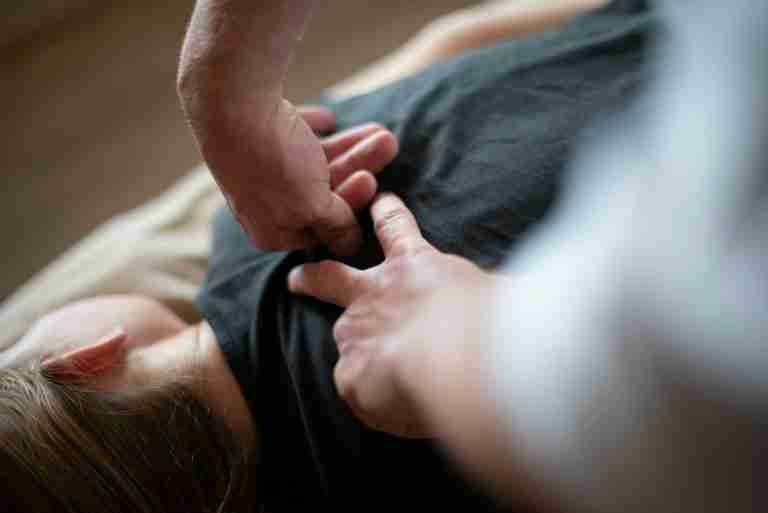
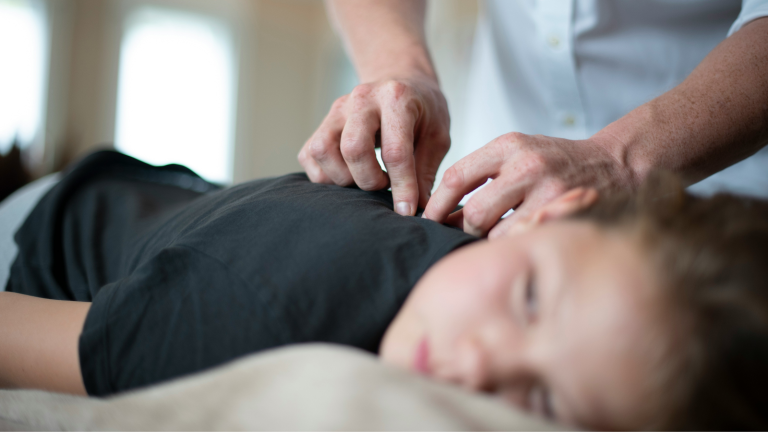
Applying these precise physical forces opens up squeezed blood vessels and brings fresh oxygen and nutrients back into starved tissues. This restores healthy circulation, flushes out trapped chemical inflammation, and calms hyper-sensitive nerves. The brain’s continuous pain response is turned off so that healing can finally begin.
Research has examined the effectiveness of osteopathic interventions for chronic nonspecific low back pain, with findings suggesting improvements in pain and physical function.
What Conditions Does Osteopathy Treat?
Back, Neck, and Joint Pain
Tightened muscle fibres and hardened fascia pull bones out of optimal alignment. This compresses joint capsules and grinds cartilage. Osteopathy manually releases trapped tissue and realigns joints to eliminate structural friction and restore full range of motion.
Sciatica and Nerve Pain
Nerves require free space to slide between muscles and bones. When tight deep tissue (like the piriformis in the glutes or herniated discs in the lower back) pinches the sciatic nerve, it triggers burning pain and numbness down the leg. Osteopathy for sciatica pain relief releases this physical compression and stops the continuous pain signals sent to the brain.
Postural Strain and Repetitive Stress Injuries
Prolonged sitting or repetitive movements cause chronic muscle shortening. Muscles stay in a continuously contracted, physically shortened state even when you aren’t using them. This cuts off local blood flow and leaves tissues starved for oxygen. Targeted manual tension releases restore blood circulation, flush out accumulated waste products, and restore normal movement patterns.
Headaches, TMJ, and Systemic Tension
Tension in the neck, jaw, and upper back often restricts blood flow to the head. It also causes irritation in sensory nerves around your skull. This triggers tension headaches and jaw pain. Osteopathy releases restrictions in the neck, jaw joints, and cranial base, which relieves pressure on nerve pathways and calms the central nervous system.
What Makes Osteopathy Different From Chiropractic or Physiotherapy?
These three disciplines treat physical pain. However, they target different primary mechanisms, use distinct techniques and aim to achieve different mechanical goals.
| Feature | Osteopathy | Chiropractic | Physiotherapy |
| Primary Target | Whole-body interconnected network (muscles, joints, fascia, blood/nerve pathways) | Spinal alignment and nervous system communication | Specific injured muscles, tendons, and joint mechanics |
| Primary Technique | * Rhythmic stretching * Deep fascia release * Fluid drainage * Gentle joint mobilization | * Fast, high-velocity joint thrusts (“cracks”) focused on partial joint dislocation | * Targeted rehabilitation exercises * Manual resistance * Localized stretches |
| Mechanical Goal | * Restores normal circulation * Releases global tissue pressure * Unblocks nerve pathways | * Re-aligns spinal vertebrae to relieve direct spinal nerve compression | * Rebuilds local muscle strength * Restores joint stability * Retrains movement |
What to Expect at Your Osteopathy Appointment
An osteopath checks your body step-by-step to find physical restrictions and then applies direct pressure to restore normal movement and blood flow.
Health History
Your osteopath reviews your past injuries, occupational postures, and lifestyle movement patterns to map out tissue strain, previous trauma, and compensation patterns across your entire body.
Posture
Your osteopath checks your shoulder heights, pelvic tilt, spinal curves, and weight distribution. Examining your static alignment helps identify asymmetric pulls in your muscular and fascial chains.
Movement Assessment
You are asked to perform bending, turning, reaching, and other active movements. The osteopath assesses joint range of motion and tissue flexibility. This is followed by passive movement where the practitioner manually guides your limbs to isolate locked joints, hardened fascia, and restricted nerve pathways.
Treatment Sessions
The osteopath uses the findings of the assessment to apply targeted techniques, including rhythmic stretching, controlled joint gliding, visceral release, or gentle thrusts.
Who Should Avoid Osteopathy
Bone Fractures or Severe Osteoporosis
Applying direct physical pressure or joint movement can break fragile or unhealed bones.
Active Blood Clots (DVT)
Manually manipulating areas near a deep vein clot can dislodge it into the bloodstream.
Acute Spinal Cord Compression
If you suddenly lose bladder or bowel control due to severe herniated discs, then you should speak to a doctor.
Active Joint Infections or Open Wounds
Physical pressure can spread local infection and disrupt tissue repair.
Bone Cancer or Spinal Tumors
Applying mechanical pressure on cancerous tissue further weakens bone integrity and risks structural collapse.
Is Osteopathy Covered by Insurance in Ontario?
Many extended health benefit plans in Ontario cover osteopathic manual therapy under their paramedical benefits. Coverage amounts typically range from $300 to $600 per year, depending on your plan. Treatments must be performed by a registered practitioner for insurance reimbursement.
Why Ultimate Health Clinic for Osteopathy in Newmarket
Here at Ultimate Health Clinic, we have registered osteopathic practitioners. We are the only clinic in East Gwillimbury affiliated with the Osteopathy Chronic Pain Clinics of Canada (OCPCC).
| The OCPCC is a national network of osteopathic clinics that specialize specifically in the assessment and treatment of chronic pain conditions. An OCPCC-affiliated clinic follows protocols backed by evidence. |
Frequently Asked Questions
Is osteopathy painful?
Most osteopathy techniques use gentle stretching and controlled pressure. You might feel mild soreness or tension release during deep tissue work, similar to how muscles feel after a good workout. It should not cause sharp pain.
How is it different from a massage?
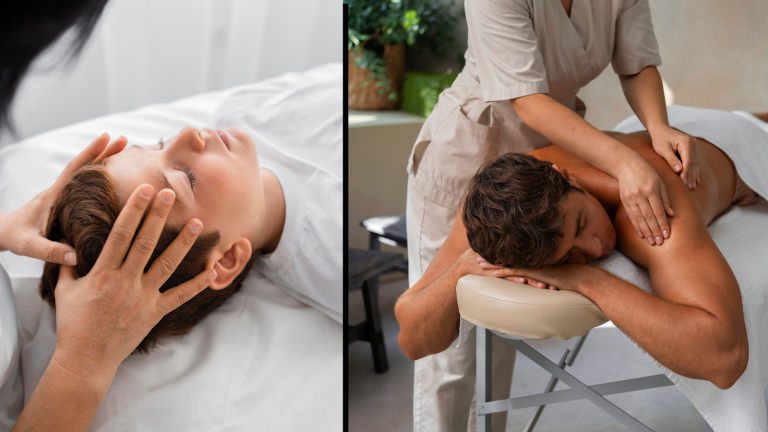
Massage focuses on relaxing surface muscle tissue to relieve general stress. On the other hand, osteopathy works on joints, deep fascia, and nerve pathways to fix specific mechanical problems, restore blood flow, and correct postural imbalances.
How many sessions will I need?
2 to 4 sessions are enough to improve an acute injury. Chronic or long-standing pain may take 6 or more sessions.
Can osteopathy help even if I’ve had surgery?
Osteopathy helps break down internal scar tissue, release tight surrounding muscles, and restore normal movement around the surgical site. Make sure you get clearance from your surgeon.
Do I need a doctor’s referral to book an appointment?
Osteopaths are primary care providers, so you can book an appointment directly without a referral. However, check your private insurance plan, as some providers require a doctor’s note for reimbursement.