What Is Manual Osteopathy? How It Works, Who It Helps, And What To Expect
Manual osteopathy is one of the least understood treatments in healthcare, and that’s too bad, because for many patients it works incredibly well. Most people have heard of chiropractic care or massage therapy. Fewer people know about osteopathy. And even those who’ve heard the name often aren’t sure what actually happens in a session, or whether it’s the right choice for them.
In fact, many people describe gradual improvements rather than instant relief. As one Reddit user shared:
“I started getting OMT by an osteopath almost two years ago for CCI/AAI. I was sore and tired after the first few treatments, but after a few sessions I really noticed a difference. Now I absolutely swear by her and try to get everyone I know with any kind of pain to go to her lol.” —Ready_Page5834
If you’ve been dealing with similar pain or wondering whether manual osteopathy could help, this guide is for you. It explains what manual osteopathy is, how it works, how it’s different from chiropractic care, and what you can expect during your first appointment.
| Key Takeaway: Learn what manual osteopathy is and how it takes a whole-body approach to improving movement and relieving pain.Understand how manual osteopathy differs from chiropractic care and when each treatment may be appropriate.Explore the gentle techniques used during treatment, including soft tissue therapy and joint mobilization.Discover the common conditions manual osteopathy may help manage, from back pain and headaches to sciatica and TMJ disorders.Know what happens during your first appointment, from the initial assessment to treatment and aftercare. |
What Is Manual Osteopathy?
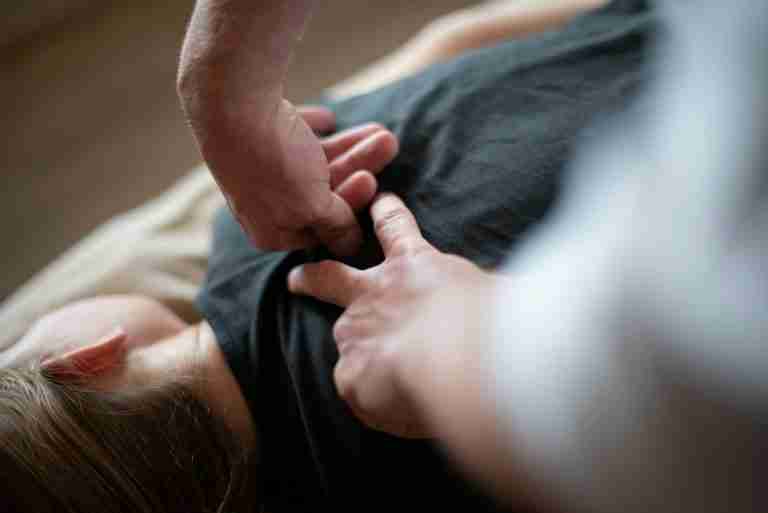
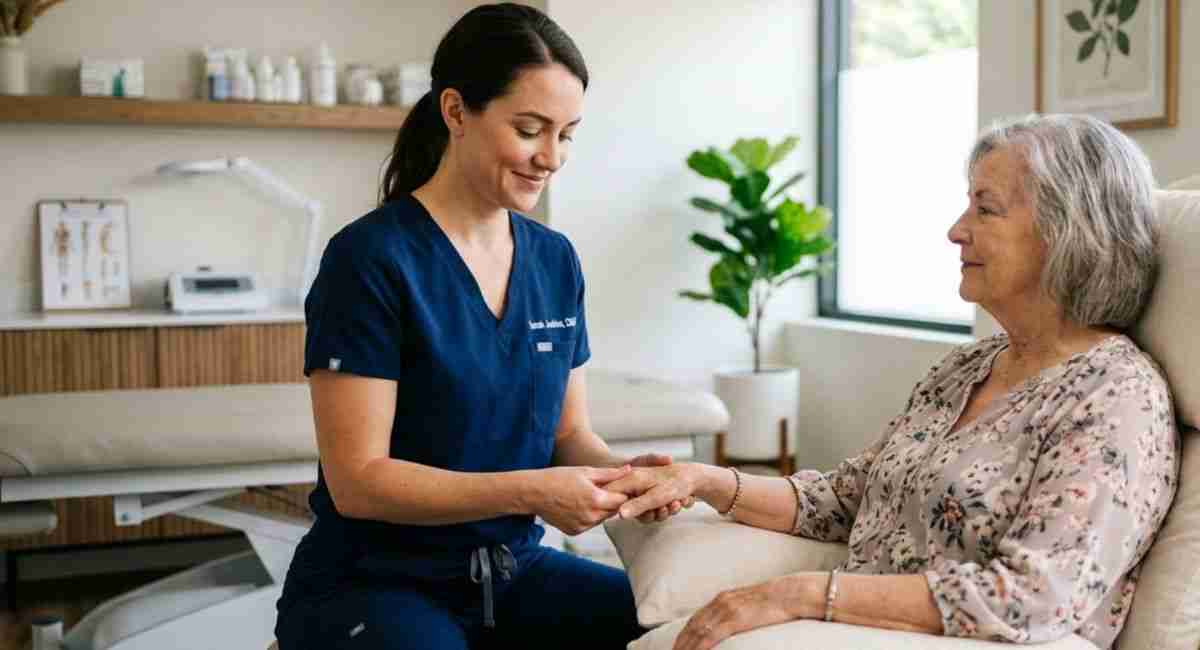
Manual osteopathy is a hands-on treatment that looks at how your whole body works together: your bones, muscles, and other soft tissues, rather than just focusing on the painful spot. The main idea behind osteopathy is that your body works as one connected system. A problem in one area often affects another.
For example, ongoing lower back pain might actually be caused by a stiff hip, an old ankle injury that never fully healed, or tight muscles in your mid-back. A manual osteopath looks for these connections and treats the root cause, not just the symptom.
In fact, manual osteopathy is widely practised across Canada. According to a Canadian study published in the U.S. National Library of Medicine (PubMed Central), researchers reviewed more than 14,000 patient visits involving 277 osteopathic practitioners across Quebec, providing one of the largest snapshots of manual osteopathy practice in Canada.
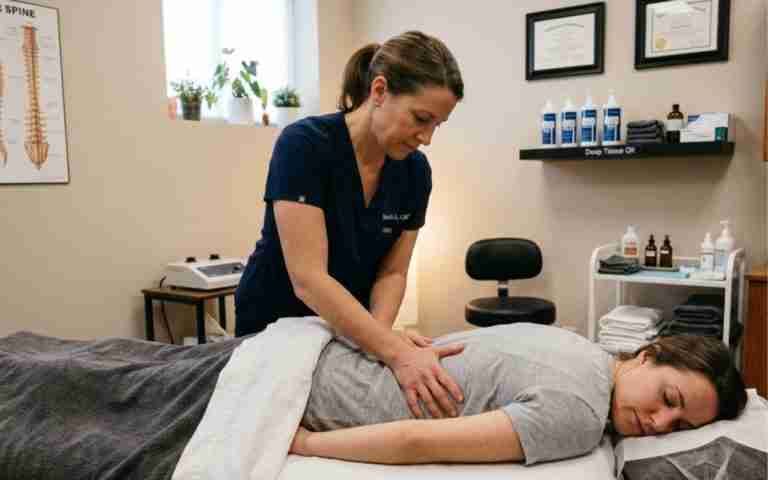
Treatment is gentle and non-invasive and may include:
- Soft tissue therapy to relieve muscle tension and improve mobility.
- Joint mobilization techniques to restore natural movement.
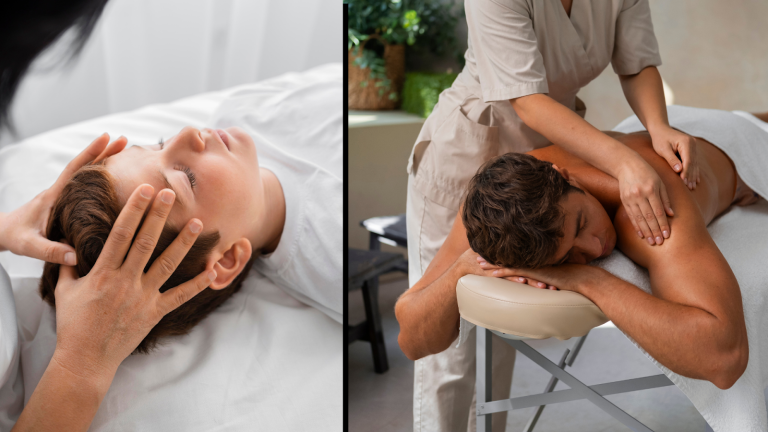
- Craniosacral therapy, which involves gentle techniques around the head and spine.
- Myofascial release to ease tight connective tissue (fascia).
- Visceral manipulation, a gentle technique that focuses on the mobility of internal organs.
Sessions are typically calm, unhurried, and designed to help you feel relaxed throughout the treatment.
How Is Manual Osteopathy Different From Chiropractic Care?
Both manual osteopathy and chiropractic care are hands-on therapies designed to improve movement and reduce pain. However, they use different techniques and treatment approaches.
| Manual Osteopathy | Chiropractic Care |
| Focuses on the body as one connected system. | Primarily focuses on the spine, joints, and nervous system. |
| Uses gentle, hands-on techniques such as soft tissue therapy, joint mobilization, myofascial release, craniosacral therapy, and visceral manipulation. | Uses targeted spinal and joint adjustments, often involving the familiar “cracking” technique. |
| Aims to identify and address the underlying cause of pain by improving overall body function. | Aims to restore joint movement and reduce nerve irritation, particularly in the spine. |
| Treatments are generally slow, gentle, and non-invasive. | Treatments are often quicker and may involve high-velocity adjustments. |
| May be suitable for people with chronic pain, multiple areas of discomfort, or those who prefer gentler techniques. | Often recommended for spinal conditions, joint dysfunction, and patients seeking faster relief for specific musculoskeletal issues. |
Neither treatment is “better” than the other. The right choice depends on your symptoms, health goals, and personal preferences.
“Not sure which treatment is right for you?”
You don’t have to figure it out on your own. At Ultimate Health Clinic, we offer both chiropractic care and manual osteopathy. After assessing your symptoms and health goals, our team can recommend the treatment that’s the best fit for you.
What Conditions Can Manual Osteopathy Help With?
Osteopathy can help with more conditions than most people realize. Common conditions we treat include:
- Back and neck pain: Especially ongoing pain that hasn’t fully gone away with massage therapy or chiropractic care. A large research review on PubMed Central found supportive evidence for osteopathic techniques in helping with ongoing lower back pain.
- TMJ disorders: Jaw pain, grinding, clicking, and dysfunction are often linked to tension in the neck and cranial structures.
- Headaches and migraines: Especially those related to poor posture, neck tension, or cervical restrictions.
- Digestive complaints: Visceral osteopathy may help improve organ mobility and relieve IBS, bloating, and ongoing digestive discomfort.
- Sciatica: Addresses contributing factors throughout the body rather than focusing only on the painful area.
- Post-surgical recovery: Once cleared by your surgeon, osteopathy can help restore tissue mobility and natural movement patterns.
- Infant care: Gentle craniosacral osteopathy may help ease tension in babies after difficult births.
| Expert Care You Can Trust Our practitioner is connected to the Osteopathy Chronic Pain Clinics of Canada (OCPCC), the largest network of pain-focused manual osteopathy clinics in the country — one more reason patients travel from across Newmarket, East Gwillimbury, Bradford, Aurora, and York Region for care here. |
What Happens At Your First Appointment?
Your first visit typically includes:
- A detailed health discussion:
Your osteopath will ask about your current concerns, past injuries or surgeries, your lifestyle, and any other health conditions. This step matters because, with osteopathy, the full picture matters.
- A physical assessment:
Next, your osteopath checks your posture, movement, and tension throughout your body. Treatment usually happens in that same visit.
- After your treatment:
Most people feel relaxed during and after treatment. Some feel mild soreness for a day or two afterward; that’s normal, and usually means your body is adjusting. Many people notice real improvement after 3 to 5 sessions, though more complex issues may take longer.
Final Thought
Manual osteopathy won’t fix everything overnight, but for many people dealing with ongoing pain or stiffness, it offers a gentle, whole-body approach other treatments might miss. Since 2013, our OCPCC-connected practitioner has helped patients across Newmarket, East Gwillimbury, and York Region feel and move better, recognition we’re proud of, including being voted a Top 3 Manual Osteopath in Newmarket.
Ready to find out if it’s right for you? Book online at ultimatehealthclinic.janeapp.com or call 905-251-0162. We’re happy to answer questions first.
Frequently Asked Questions
What does manual osteopathic therapy do?
It uses gentle, hands-on techniques, like soft tissue work, joint mobilization, and myofascial release, to ease tension, improve movement, and help your body work better as a whole. Instead of only treating the painful spot, it looks at how your whole body is connected.
How long does it take for osteopathy to work?
Many patients feel some relief after their very first session, though real, lasting change usually takes 3 to 5 visits. More complex or long-standing issues can take longer.
Is manual osteopathy painful?
Manual osteopathy is generally a gentle treatment. Most people find sessions relaxing, although some may experience mild soreness for a day or two afterward as the body adjusts. If you feel discomfort during treatment, let your practitioner know immediately.
Can manual osteopathy be combined with other treatments?
Yes. Manual osteopathy is often used alongside physiotherapy, chiropractic care, massage therapy, or other healthcare treatments. Your practitioner can work with your existing care plan to ensure treatments complement one another whenever appropriate.
How many osteopathy sessions will I need?
The number of sessions depends on your condition, overall health, and treatment goals. Some people notice improvement within a few visits, while chronic or complex conditions may require ongoing care. Your osteopath will recommend a treatment plan based on your assessment.
Who should avoid manual osteopathy?
Manual osteopathy may not be suitable for everyone, including people with certain fractures, infections, or serious medical conditions. Your practitioner will review your medical history and determine whether treatment is appropriate or if another healthcare provider is recommended.