

A Physiotherapist’s Guide to Lower Back Pain Treatment
Lower back pain is a common ailment affecting individuals across various age groups, and understanding its assessment is crucial for effective treatment.
By the end of this article, you’ll gain valuable insights into the methodologies used by physiotherapists to assess and address lower back pain, empowering you with knowledge that could help your approach to this widespread condition. Let’s dive in and see how physiotherapy can help with managing lower back pain.
In the field of physiotherapy, understanding movement assessment techniques is fundamental in addressing lower back pain. Let’s look at the initial steps physiotherapists take to evaluate your movement when you have discomfort in your lower back.
The first aspect of assessment involves observing your movement patterns. A typical session begins with a straightforward evaluation of how you bend forward. Imagine attempting to touch your toes—this movement allows the physiotherapist to determine if this action reproduces your pain. Following this, we assess lumbar extension by placing hands on hips and gently leaning backward. This helps in observing any discomfort or limitations in backward bending.
Next, we explore lateral flexion. By standing with feet slightly apart and bending sideways as far as comfort allows, we can identify any restrictions or pain that occur during side bending. This movement is crucial in understanding how side-to-side motions affect your back.
The final component of our initial assessment focuses on rotation. While seated and maintaining an upright posture, crossing arms allows for an effective evaluation of rotational movements. Observing this can provide insight into how turning motions may impact your low back.
Each of these movements—forward bending, lumbar extension, lateral flexion, and rotation—offers valuable information about the possible sources of pain and helps guide the treatment approach tailored to individual needs.
In the comprehensive evaluation of low back pain, assessing joint and muscle function is an essential step. This part of the assessment involves a detailed examination of both joint stiffness and muscle tension, which can provide invaluable insights into the underlying causes of discomfort.
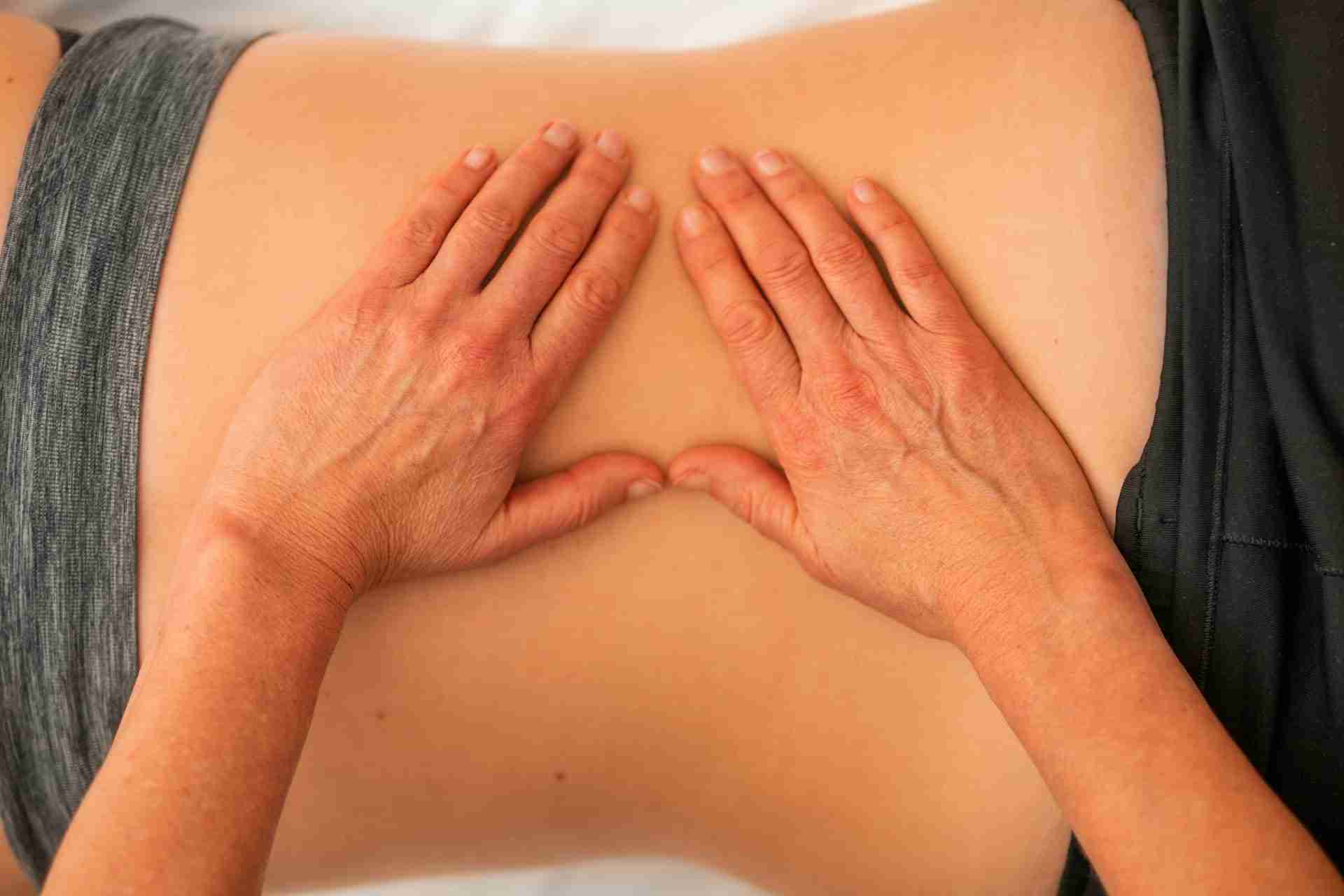
When restrictions are observed during initial movement assessments, a closer examination is warranted. This process begins with the patient lying on their belly, allowing the physiotherapist to palpate the joints along the spinal column. By feeling each joint on one side and comparing it to the other, we can identify levels of stiffness that might correlate with areas where patients experience soreness. These findings are crucial as they often align with where pain is reported, thereby guiding targeted intervention strategies.
In addition to joint examination, evaluating muscle tension is equally vital. Physiotherapists assess muscle tightness around the lower back to pinpoint areas that require attention. It is common for these muscles to tighten in response to lower back pain, creating a cycle of discomfort that needs to be broken for effective relief.
To address identified muscle tightness, soft tissue release techniques are employed. These strategies aim to relax tense muscles and alleviate discomfort. Soft tissue release not only helps in reducing pain but also plays a role in improving mobility and function by easing muscle tension around sore areas.
Overall, addressing both joint stiffness and muscle tightness is critical in developing a comprehensive treatment plan tailored to individual needs. By focusing on these elements during assessment, physiotherapists can better understand and treat low back pain effectively.
Advanced Treatment Techniques
In the realm of physiotherapy, addressing low back pain involves more than just diagnosis; it entails implementing advanced treatment techniques that promote healing and restore function. This section delves into some of the sophisticated methods utilized by physiotherapists to enhance joint mobility, neural flexibility, and core stability.
One pivotal technique is mobilization, which targets stiff joints. When stiffness is detected, gentle movements are applied to specific joint areas to encourage freer movement. This technique helps alleviate discomfort by increasing joint mobility and reducing rigidity.
Another key component in advanced treatment is assessing neural mobility. By observing how nerves move, physiotherapists can identify potential areas of concern. A common assessment involves the straight leg raise test, which evaluates nerve mobility by raising the leg until resistance is felt and monitoring any resultant back pain. This test is performed on both sides for comparison and provides insights into nerve function.
Core activation and retraining are also essential in managing low back pain. The deep abdominal muscles play a crucial role in stabilizing the spine. Physiotherapists assess core muscle activation by guiding patients through deep tummy contractions while monitoring muscle response with their hands. For patients with suboptimal core functioning, retraining exercises are introduced to enhance muscle strength and coordination.
These advanced treatment techniques not only address the symptoms of low back pain but also tackle underlying causes, ensuring a holistic approach to patient care. By focusing on joint mobilization, neural mobility assessment, core activation, and ultrasound feedback, physiotherapists equip patients with the tools needed for effective rehabilitation.
In addressing low back pain, a comprehensive approach is essential, combining various treatment strategies to ensure effective and lasting relief. While quick adjustments and manipulations might be tempting, they are not the first line of treatment. Instead, the focus is on a holistic approach that includes a wide range of therapies tailored to individual needs.
Emphasizing a holistic treatment approach means considering not just the physical symptoms but also the overall well-being of the patient. It involves understanding the unique aspects of each case and applying targeted therapies that address both joint stiffness and muscle tension.
Furthermore, it is crucial for individuals experiencing low back pain to seek professional assessment. Physiotherapists play a vital role in diagnosing and crafting personalized treatment plans that incorporate advanced techniques such as joint mobilization, neural flexibility enhancement, and core stability exercises.
In summary, managing low back pain effectively requires a multifaceted approach that combines professional assessment with tailored treatments. By addressing both the symptoms and underlying causes with various techniques, individuals can achieve improved mobility and reduced discomfort, paving the way for enhanced quality of life.
Top rated Physiotherapy clinic in East Gwillimbury
Our clinic is located in the Holland Landing community of East Gwillimbury, just north of Newmarket. Our track record has allowed us to serve residents across Newmarket, York Region, and beyond since 2013. If you have lower back pain, have questions about any of our Physiotherapy services, or if you’d like to make an appointment, please contact us at (905) 251-0162 today.


